
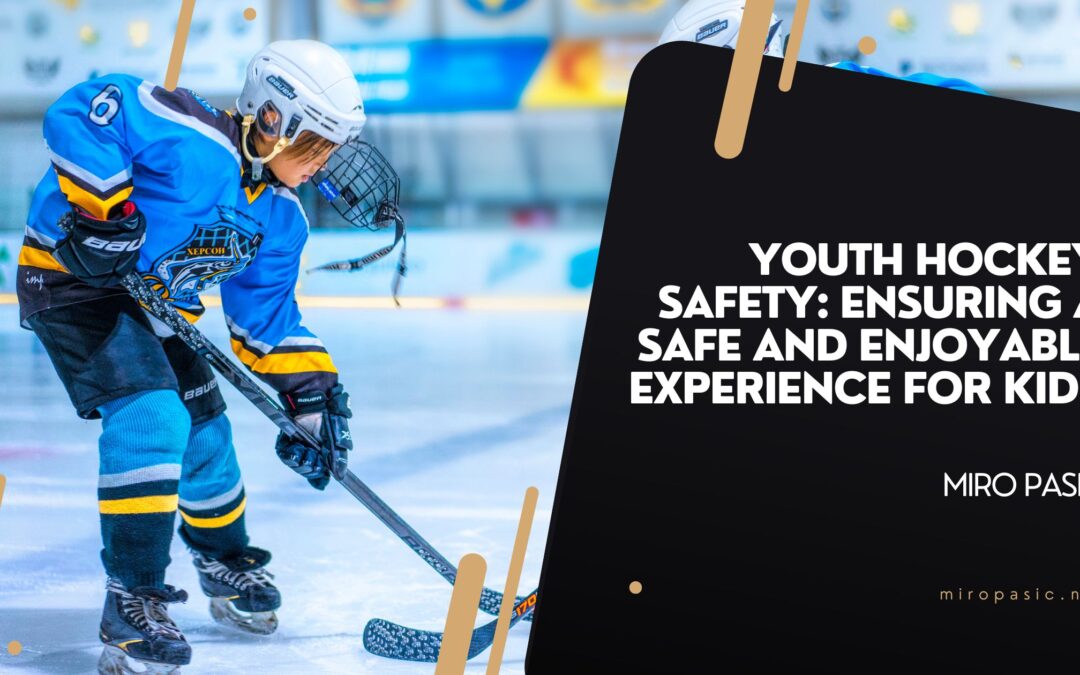
Youth hockey offers kids an excellent opportunity to develop physical fitness, coordination, teamwork, and discipline. However, like any sport, it carries the risk of injury. Ensuring a safe and enjoyable experience for young players is paramount. This article guides on how to maintain safety in youth hockey, making it a positive and nurturing experience for kids.
- Proper Equipment
Safety in youth hockey begins with the right gear. Players should have helmets with face shields, mouthguards, neck guards, shoulder pads, elbow pads, gloves, protective cups, shin guards, and proper skates. Equipment should fit properly to provide the intended protection and be in good condition. Regular checks and timely replacements are essential to ensure safety.
- Emphasis on Skating Skills
Good skating skills are the foundation of safe hockey play. Young players should be taught how to skate properly and stop and fall safely. This decreases the chances of collisions and injuries. Regular practice sessions focusing on skating can significantly enhance safety on the ice.
- Teaching the Rules of the Game
Understanding and adhering to hockey rules is crucial for safety. Coaches and parents should educate players about the rules, particularly those related to safety, such as no checking from behind and wearing helmets on the ice.
- Promoting Fair Play
Instilling a sense of sportsmanship and respect for opponents and teammates can prevent aggressive play that often leads to injuries. Parents and coaches have a crucial responsibility to demonstrate and encourage these values.
- Qualified Coaching Staff
Having knowledgeable and trained coaches is vital. Coaches should not only understand the technical aspects of the game but also be trained in first aid and injury prevention. They should be able to recognize signs of concussions and other injuries and know when to pull a player out of the game.
- Safe Practice Environments
The condition of the playing environment is critical. The ice surface should be well-maintained, and barriers and boards should be in good repair. Off-ice training areas should also be safe and appropriate for the age and skill level of the players.
- Encouraging Open Communication
Players should feel comfortable reporting any pain, discomfort, or concerns about safety to coaches or parents. An open communication line can detect and solve issues before they escalate.
- Proper Warm-Up and Cool-Down Routines
Effective warm-up and cool-down routines are essential for preventing injuries. These routines should be age-appropriate and focus on stretching and gradually increasing heart rate before games and practices, followed by cooling down and stretching afterward.
- Educating about Concussion Awareness
Concussion education is critical in youth hockey. Players, coaches, and parents must recognize and understand the indicators and symptoms of a concussion. Immediate action and medical attention are crucial if a concussion is suspected. Developing a clear protocol for dealing with suspected concussions is vital.
- Customizing Training and Play
Training sessions and gameplay should be tailored to the age and skill level of the players. Younger, less experienced players should not be exposed to the same physical demands as older, more skilled players. This customization helps prevent injuries and ensures that the game remains enjoyable and appropriate for their developmental stage.
- Regular Rest and Recovery
Adequate rest and recovery are essential for young athletes. Overtraining can lead to burnout and injuries. Coaches and parents should ensure that children have a balanced routine that includes sufficient rest and time away from hockey.
- Hydration and Nutrition
Parents and coaches should encourage regular hydration breaks and ensure that players have access to nutritious meals and snacks, particularly during tournaments and intense training periods.
Ensuring safety in youth hockey requires a multi-faceted approach involving proper equipment, skill development, knowledge of the game, a focus on sportsmanship, qualified coaching, safe environments, and attention to the physical and mental well-being of the players. By prioritizing these aspects, parents, coaches, and organizers can provide a safe and enjoyable hockey experience for kids, fostering their love for the game while promoting their health and safety.