
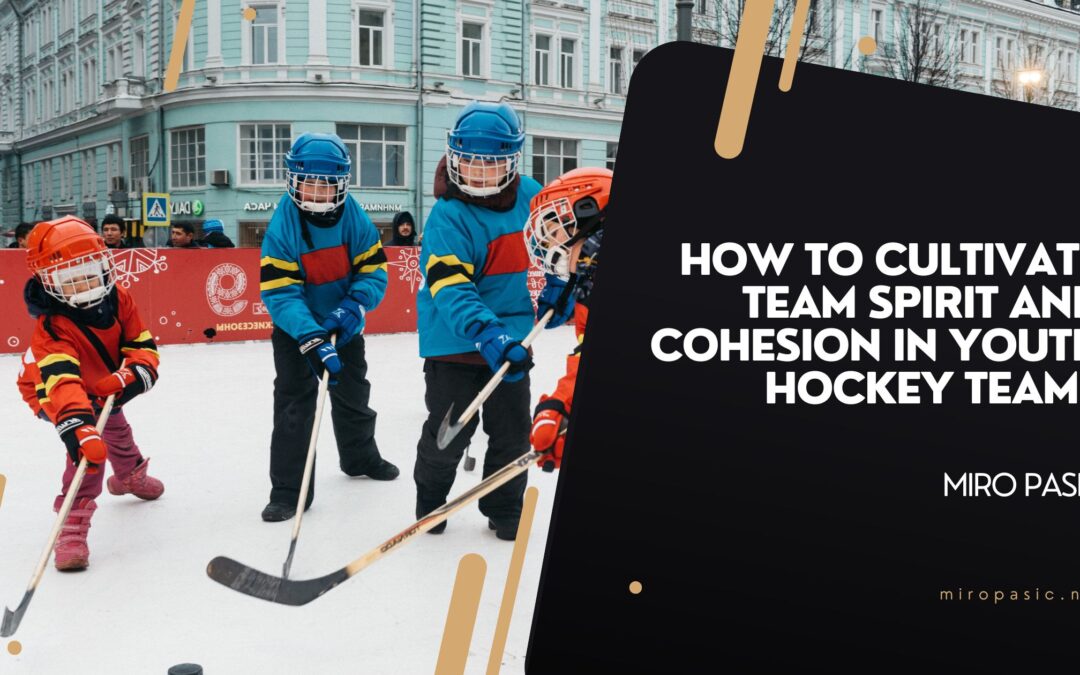
Cultivating team spirit and cohesion in youth hockey teams is essential for both the success on the ice and the personal development of young players. A collaborative team experiences better game performance and a more supportive and enjoyable sporting environment. This article will outline strategies to foster team spirit and cohesion in youth hockey teams.
1. Establishing a Positive Team Culture
Establishing a positive team culture is essential for building team spirit. Coaches and team leaders should set clear expectations about sportsmanship, respect, and collaboration. Emphasizing values such as teamwork, effort, and positive attitude is crucial. This culture should be reinforced regularly in both words and actions.
2. Effective Communication
Clear and honest communication is the foundation of a united team. Coaches should encourage players to express their thoughts and feelings, whether it’s about their performance, team strategies, or any concerns they might have. This helps address any issues early and strengthens the trust and bond between team members.
3. Team Building Activities
Team-building activities outside regular training sessions can significantly enhance team cohesion. Activities can range from team outings, shared meals, or community service projects. These activities allow players to interact in a non-competitive environment, fostering friendships and more profound understanding among teammates.
4. Goal Setting
Setting team goals, as well as individual goals, helps align the team’s efforts. When players work together towards common objectives, it naturally fosters a sense of unity and shared purpose. These goals should be challenging yet achievable, with clear steps and regular check-ins.
5. Recognizing Individual Contributions
While hockey is a team sport, recognizing individual efforts and contributions is essential. Celebrating personal achievements, improvement, and hard work can boost morale and motivate players. Recognition should come not only from coaches but also from teammates.
6. Inclusive Decision Making
Involving players in decision-making, where appropriate, can empower them and foster a sense of ownership and belonging in the team. This could be as simple as choosing team activities, setting team rules, or contributing to game strategies.
7. Encouraging Mentorship
Establishing a mentorship system where older or more experienced players mentor younger ones can foster a sense of responsibility and unity. This also helps younger players to integrate more easily into the team.
8. Managing Conflicts Effectively
Conflict is inevitable in any team. The key is how it’s managed. Coaches should address disputes promptly and fairly, promoting a culture of problem-solving and open communication. This helps maintain team harmony and teaches young players valuable life skills in conflict resolution.
9. Fostering a Supportive Environment
Valuing effort and learning over winning can reduce undue pressure. Encourage players to support each other, celebrate each other’s successes, and offer comfort in setbacks. This kind of support system strengthens team spirit.
10. Leading by Example
Coaches and team leaders should lead by example. Commitment, respect, and a positive attitude can significantly influence the team’s ethos. The behavior and attitude of a coach set the tone for the entire team.
Cultivating team spirit and cohesion in youth hockey teams requires a multifaceted approach that involves creating a positive team culture, effective communication, team-building activities, inclusive decision-making, and conflict management. By setting a foundation of respect, unity, and shared goals, coaches and team leaders can foster an environment where young players thrive both individually and collectively. This enhances their performance on the ice and instills valuable life lessons that extend far beyond the sport. The focus should always be on developing better hockey players, team players, and individuals.